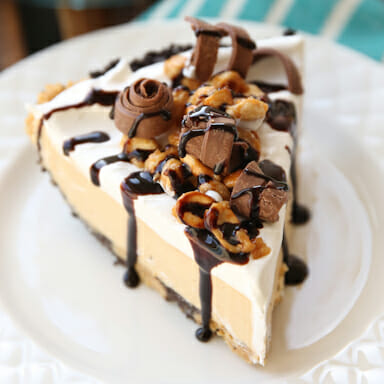
Mastering Peanut Butter Pie: Tips for Crusts, Toppings & Perfect Texture
Few desserts evoke the same kind of nostalgic comfort and sheer delight as a perfectly crafted peanut butter pie. It's a classic for a reason – that irresistible blend of salty-sweet peanut butter, often paired with the deep richness of chocolate, creates a symphony of flavors and textures that’s utterly addictive. Whether you’re a long-time admirer or new to its charm, mastering a standout
peanut butter pie recipe can transform your dessert game. This comprehensive guide will walk you through achieving an unparalleled crust, an impeccably smooth filling, and show-stopping toppings, ensuring every slice is a masterpiece.
The Heart of the Matter: Crafting the Perfect Peanut Butter Pie Filling
The filling is, without a doubt, the star of any peanut butter pie. Achieving that coveted smooth, creamy, and ultimately melt-in-your-mouth texture is key. There are two primary approaches, each offering a distinct experience.
The Effortless, Whipped Topping Route
For speed and simplicity, a filling utilizing frozen whipped topping (like Cool Whip) is incredibly popular and produces a wonderfully light and airy result. This method is ideal for those seeking a quick, no-fuss dessert that still delivers on flavor.
*
Ingredients: Typically, you’ll combine creamy peanut butter, softened cream cheese, confectioners' sugar, and thawed frozen whipped topping.
*
Technique: The magic here lies in the gentle folding. First, beat together the peanut butter, cream cheese, and sugar until smooth and lump-free. Then, carefully fold in the thawed whipped topping. This preserves its airy texture, ensuring a light, ethereal filling that won't feel heavy. Over-mixing can deflate the whipped topping, so be gentle!
*
The Payoff: This version is famously "smooth and creamy that it will melt in your mouth," as described by many enthusiasts, making it a family favorite that’s always requested. For an even deeper dive into this delightful simplicity, check out our guide on
Easy No-Bake Peanut Butter Pie: Creamy & Dreamy Dessert.
The Luxurious, From-Scratch Whipped Cream Alternative
If you crave a richer, more decadent pie with a truly homemade touch, opting for a filling made with fresh heavy cream is the way to go. This elevates the pie, offering a texture that's both light and incredibly substantial without relying on highly processed ingredients.
*
Ingredients: This version typically features creamy peanut butter, cream cheese, powdered sugar, and heavy cream. Often, a touch of vanilla extract is added to enhance the flavors.
*
Technique: The process involves whipping heavy cream to stiff peaks separately, then gently folding it into a mixture of beaten peanut butter, cream cheese, and powdered sugar. This meticulous step ensures a light, creamy, yet rich texture that’s truly unparalleled.
*
The Payoff: "Life doesn’t get much better than this Peanut Butter Pie," boasts one passionate baker. This method delivers a pie that is "crazy good," with a depth of flavor and velvety texture that will have everyone coming back for seconds. It’s an ideal choice for easy entertaining, as it can be made completely ahead of time.
A Note on Peanut Butter Choice
Regardless of your chosen filling method, the type of peanut butter matters significantly. For consistent results and optimal texture,
always opt for conventional creamy peanut butter, such as Skippy or Jif. "Natural" peanut butters, which often lack added stabilizers, can separate and turn oily in the pie filling, leading to an undesirable texture. If you must use natural peanut butter, ensure it is extremely well stirred and completely smooth before incorporating it into your recipe. This crucial tip prevents an oily, separated filling and ensures your pie stays perfectly emulsified.
Beyond the Basics: Elevating Your Peanut Butter Pie Crust
While the filling steals the show, the crust provides the essential foundation and a delightful textural contrast. The classic choice is a chocolate cookie crumb crust, but there’s a whole world of options to explore.
The Tried-and-True Chocolate Cookie Crumb Crust
This is the go-to for a reason. The deep, slightly bitter notes of chocolate cookies (like Oreos, with or without the cream filling) perfectly complement the sweet and savory peanut butter. You can buy a prepared 9-inch crust for ultimate convenience, or make your own:
*
Homemade Crumb Crust: Crush about 20-24 chocolate sandwich cookies (or graham crackers, Nilla wafers for a different flavor profile) into fine crumbs. Mix with about ¼ to ½ cup of melted unsalted butter and 2-3 tablespoons of granulated sugar. Press firmly into a 9-inch pie plate. You can chill it for at least 30 minutes, or bake it at 350°F (175°C) for 8-10 minutes for a sturdier, crispier crust.
Creative Crust Alternatives
Don't limit yourself to chocolate cookies! The beauty of a peanut butter pie is its versatility.
*
Graham Cracker Crust: A classic for many no-bake pies, a graham cracker crust offers a lighter, subtly honeyed flavor that pairs wonderfully with peanut butter.
*
Pretzel Crust: For a truly unique salty-sweet experience, a crushed pretzel crust is a game-changer. The extra crunch and saltiness cut through the richness of the filling beautifully.
*
Traditional Pie Crust: While less common for the creamy no-bake style, a flaky, all-butter pie crust can provide an elegant base, especially if you're venturing into baked peanut butter pie variations. The contrast of the buttery pastry with the smooth filling is divine. For those exploring more advanced baking techniques, a lattice pie crust, though intricate, could also serve as a stunning, edible frame for a richer, baked peanut butter filling.
Remember, the crust is your canvas. Choosing one that complements the richness and sweetness of your filling is key to achieving a balanced and memorable dessert. And speaking of complementary flavors, the chocolate and peanut butter combination is undeniable. To fully appreciate this iconic duo, consider our dedicated article:
Homemade Peanut Butter Pie: The Best Chocolate Combo (No Cool Whip!).
The Grand Finale: Toppings, Drizzles, and Creative Flair
Once your peanut butter pie filling is perfectly firm and set, it’s time for the crowning glory: the toppings! This is where you can truly let your personality shine and take your pie from delicious to utterly unforgettable.
*
Whipped Cream & Cocoa: A simple dollop of fresh whipped cream (or leftover thawed whipped topping) dusted with a sprinkle of cocoa powder or chocolate shavings is a timeless and elegant finish.
*
Chocolate Drizzle: Chocolate and peanut butter are a match made in heaven. Melt some chocolate chips (milk, semi-sweet, or dark, depending on your preference) with a tiny bit of coconut oil or butter until smooth, then drizzle artistically over the pie.
*
Peanut Butter Drizzle: For the ultimate peanut butter lover, a melted peanut butter drizzle adds an extra layer of flavor and visual appeal. Simply melt creamy peanut butter in the microwave until pourable, then drizzle away.
*
Candy & Nut Additions: This is where the fun truly begins! Sprinkle with mini Reese’s Pieces, chopped Reese’s Peanut Butter Cups, peanut butter chips, or even chopped roasted peanuts for added crunch. Feel free to be as creative and fun as you wish – customize to your heart's content!
*
Almond Butter Variation: If you're exploring alternatives, an almond butter pie can be just as delightful. Substitute almond butter for peanut butter, add a little extra vanilla extract to the filling, and then garnish with almond butter cups, melted chocolate, or even toasted slivered almonds.
The toppings not only enhance the visual appeal but also add delightful layers of texture and flavor, making each bite an exciting experience.
Troubleshooting & Advanced Tips for a Flawless Pie
Even seasoned bakers appreciate a few extra pointers to ensure their peanut butter pie reaches its full potential.
*
Achieving Optimal Firmness: Refrigeration is crucial. A minimum of 3 hours is needed for the pie to set firmly, but for the best, most sliceable results, aim for 4-6 hours or even overnight. Patience is a virtue here!
*
Preventing Oiliness: As mentioned, using conventional, stabilized creamy peanut butter is your best defense against an oily, separated filling. If using natural peanut butter, stir it *very* thoroughly until the oils are completely incorporated before measuring.
*
Serving Temperature: Peanut butter pie can be served either refrigerated or frozen, depending on your preference. A refrigerated pie will be creamier and softer, while a frozen one will have a delightful, almost ice cream-like texture, perfect for a hot day.
*
Make-Ahead Marvel: This pie is an entertainer's dream. It holds up beautifully in the refrigerator for 3-5 days, or in the freezer for up to a month (wrap tightly in plastic wrap and then foil). This makes it perfect for preparing in advance for parties or holidays.
*
Portioning Tips: For clean slices, use a warm, sharp knife. Run the knife under hot water, wipe it dry, then make your cut. Repeat for each slice.
Conclusion
From its humble beginnings in nostalgic cinematic moments to becoming a beloved centerpiece on countless dessert tables, peanut butter pie holds a special place in our hearts. Its appeal lies in its straightforward ingredients, ease of preparation, and undeniably delicious flavor profile. By understanding the nuances of filling textures, exploring diverse crust options, and embracing creative toppings, you can elevate your
peanut butter pie recipe from a simple dessert to a truly masterful creation. So go ahead, whip up a batch, and savor the pure joy that only a perfectly crafted peanut butter pie can bring. Your taste buds (and your family and friends) will thank you.